
Sept. 28, 2026
Tyjal DeWolf-Moura, Materials and Biomaterials Science and Engineering
Engineering Alum Helps Solar Power Weather the Storm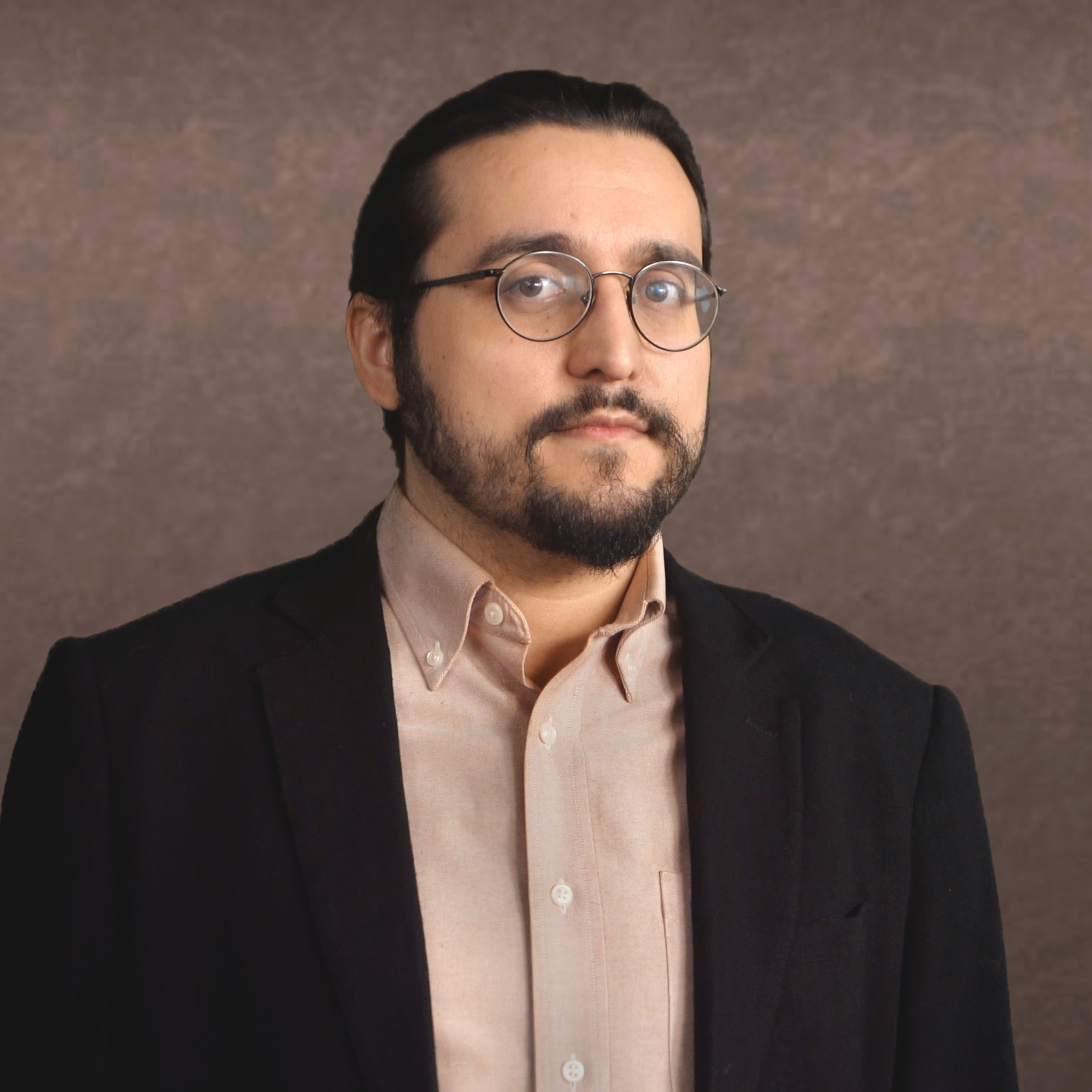
When Tyjal DeWolf-Moura graduated from UC Merced, he stepped directly into the rapidly evolving renewable energy sector. Today, he works as an engineer and applied scientist at VDE Americas, where he helps assess risks and improve the resilience of solar power systems.
DeWolf-Moura joined VDE Americas, a global leader in technical advisory and risk assessment services for the solar industry, shortly after completing his master’s degree in Materials and Biomaterials Science and Engineering. His work spans multiple areas, but he primarily focuses on a specific and increasingly important challenge: hail damage to solar installations.
His role involves analyzing how hail impacts solar modules and integrating that data with weather patterns to predict long-term costs for solar facilities. These insights ultimately help guide industry decisions and protect renewable energy investments.
“We combine hail impact data on modules with weather data to predict the long-term costs to a solar plant,” he explained. “We then provide these reports to customers.”
In addition to his work on hail risk modeling, DeWolf-Moura also evaluates emerging solar technologies. He collaborates with companies that are developing next-generation modules — such as perovskites — to assess their readiness for large-scale adoption.
His decision to pursue graduate studies at UC Merced was driven by the university’s strong reputation in materials science and renewable energy research. Access to leading experts in the field also played a key role in shaping his academic journey.
“The opportunity to learn from people like Professor Sarah Kurtz was a major factor in my decision to attend,” he said.
At UC Merced, he built both technical expertise and transferable skills that he now uses daily. That experience proved foundational in preparing him for his current role.
“UC Merced provided the bedrock foundation in solar power knowledge I needed for my current role,” he said. “I use general research, mathematics and data analysis skills constantly, which I honed at UC Merced.”
Mentorship also played an important role in his graduate experience. DeWolf-Moura credits Kurtz for providing valuable industry insight, particularly through her solar energy course.
“Her class on solar was absolutely necessary for my current career, providing the knowledge on the fundamental mechanics and construction of solar modules I now use daily,” he said.
He also highlights Professor Christopher Viney as a meaningful influence, both academically and personally.
“He is one of the nicest and most empathetic professors I have ever met, and his class on materials properties was a masterpiece of pedagogy,” DeWolf-Moura said.
Now working at the intersection of research, data analysis and real-world applications, DeWolf-Moura is contributing to the reliability and advancement of solar energy — helping ensure that renewable technologies can withstand environmental challenges and continue to grow.


